
Text-to-pay is a payment method that lets a medical practice send a patient a secure SMS link they tap, enter a card, and pay in seconds — no portal login, no paper statement, no phone call. For practices buried in unpaid balances, it replaces the most expensive part of the revenue cycle: the follow-up. This guide explains how text-to-pay works in a clinical setting, what it costs, whether it's HIPAA compliant, and how it changes the numbers on your aging report.
If you manage billing for a practice, you already know the pattern. A patient leaves with a balance. You mail a statement. Three weeks later you mail another. Eventually someone on your front desk picks up the phone. Text-to-pay collapses that entire cycle into a single message your patient can act on from a parking lot.
How Text-to-Pay Actually Works
The mechanics are deliberately simple, because friction is what kills patient collections.
- A balance is created. A visit closes, insurance adjudicates, or a payment plan installment comes due. The patient now owes a known amount.
- The system sends a text. Your practice sends — or schedules — an SMS that names your practice, states the amount, and includes a single secure link.
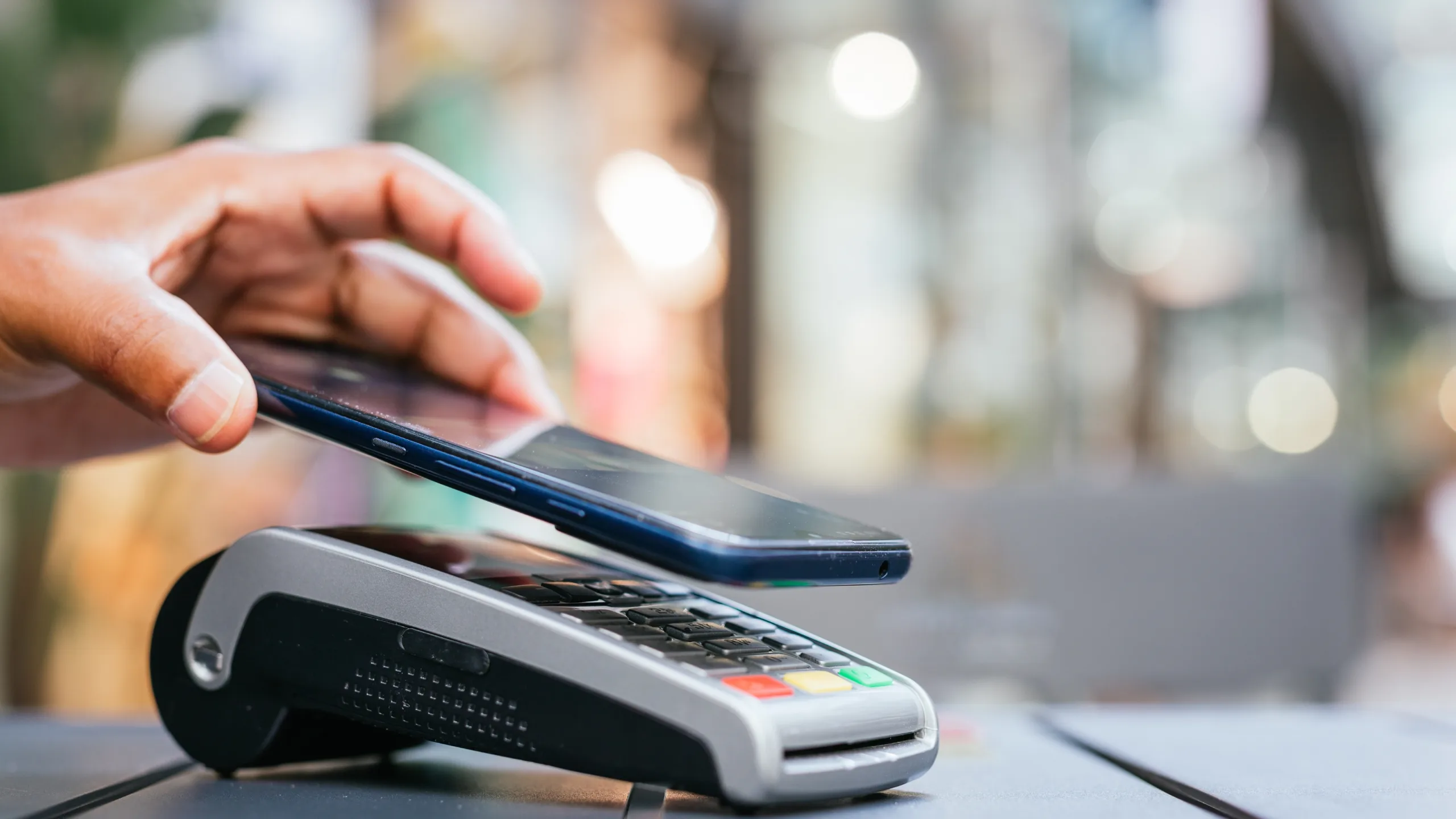
- The patient taps and pays. The link opens a hosted, branded payment page. The patient enters a card, a digital wallet, or a stored card on file and confirms.
- The payment posts. Funds settle to your account, and the transaction reconciles back against the patient's balance — ideally without anyone re-keying a number.
The whole interaction takes a patient under a minute. That speed is the point. The longer a balance sits, the less likely you are to collect it, and statement-and-call workflows are built almost entirely out of waiting.
Why Practices Move to Text-to-Pay
The case for text-to-pay is not that texting is trendy. It's that the old method loses money in three specific ways.
Patients respond to texts. Open rates on SMS dwarf open rates on mailed statements. A statement sits in a stack on a kitchen counter. A text sits in the same inbox a patient checks 90 times a day.
Your front desk stops being a collections department. Every hour spent chasing a $40 copay is an hour not spent on scheduling, intake, or care. Automating the request — and the reminder — gives those hours back. Practices that switch routinely report several staff hours returned per week from collections alone.
Balances age slower, so more of them get paid. A receivable that's 90 days old is worth a fraction of one that's 9 days old. Sending the request the moment a balance is known, instead of three weeks later, moves money out of the high-risk end of your aging report.
Text-to-Pay vs. Patient Portals vs. Paper Statements
Most practices already have a way to collect. The question is which method gets the patient to actually pay.
| Method | Friction for patient | Typical speed to payment | Staff effort |
|---|---|---|---|
| Paper statement | High — mail, find a check, return it | Weeks | Low to send, high to chase |
| Patient portal | Medium — remember login, navigate | Days | Medium |
| Text-to-pay | Low — tap a link, enter a card | Seconds to minutes | Low, mostly automated |
Portals are useful, but they ask the patient to do work: remember a password, find the right screen, decide to log in at all. Text-to-pay removes the login entirely. The patient never has to go anywhere — the payment request comes to them.
Is Text-to-Pay Secure and Compliant?
Done correctly, yes — and the distinction matters more in healthcare than in any other industry.
A compliant text-to-pay setup never sends protected health information or card data over SMS. The text itself contains only what a patient needs to recognize it: your practice name, the amount, and a link. Card entry happens on a hosted page protected by PCI DSS Level 1 controls — the highest tier of the payment card security standard — often with point-to-point encryption (P2PE) so raw card data never touches your systems.
The same care applies to HIPAA. The message should avoid clinical detail. "Your balance with [Practice] is $128. Tap to pay: [link]" is appropriate. A message that names a procedure, a diagnosis, or a department is not. The safest implementations are built so your staff can't accidentally cross that line.
What Text-to-Pay Costs
Pricing varies by vendor, but the honest way to evaluate it is against what you spend now. Statement printing, postage, and the labor hours your staff burn on follow-up calls are real costs that simply don't show up on a single line item. Text-to-pay trades those for a processing fee and a platform cost.
The metric that matters is net collection. If automating payment requests pulls even a modest share of write-off-bound balances back into collected revenue, the platform pays for itself well before you finish the contract. Be wary of vendors who won't show you pricing before a demo — transparency on cost is a fair thing to expect from software you'll run every day.
How to Roll It Out Without Disrupting Your Practice
You don't need to rebuild your billing operation to start.
- Begin with post-visit balances. Send a text the moment a patient checks out with a known amount owed. It's the highest-intent moment you have.
- Add card-on-file for repeat patients. For recurring visits — therapy, chiropractic, fertility cycles — a stored card turns each small copay into an automatic charge instead of a new chase.
- Layer in reminders. A single text is good. A scheduled, polite reminder a few days later recovers a meaningful slice of the balances that don't convert on the first send.
- Confirm it posts cleanly. The biggest hidden cost is a system that collects the money but makes your staff re-key it into your PM or EHR. Insist on automatic posting.
Start with one workflow, measure the change in your aging report over 60 to 90 days, then expand.
Frequently Asked Questions
Is text-to-pay HIPAA compliant?
A properly configured text-to-pay system is HIPAA compliant. The SMS itself should contain only the practice name, the amount due, and a secure link — never clinical details or protected health information. Card entry occurs on a hosted, encrypted page, so no sensitive data travels over text. Compliance depends on the implementation, so confirm your vendor designs messages and data flows to keep PHI out of SMS.
How fast do patients pay with text-to-pay?
Most patients who pay do so within minutes of receiving the text, and a large share pay the same day. Because the request lands in the channel patients check constantly and removes the friction of logging in or mailing a check, payments arrive far faster than they do with statements or portals — which is what pulls balances out of the high-risk end of your aging report.
Is text-to-pay secure for card payments?
Yes, when the payment page is protected by PCI DSS Level 1 controls and ideally point-to-point encryption (P2PE). The card is entered on a secure hosted page rather than typed into a text, so raw card data never travels over SMS and, with P2PE, never touches your practice's systems. This meets the same security standard used by major financial institutions.
Will text-to-pay work with my practice management or EHR system?
Good text-to-pay platforms post payments back to your PM, EMR, or EHR automatically, so staff don't re-enter transactions by hand. Integration depth varies by vendor and system, so ask specifically how a paid balance reconciles against the patient account in your software before you commit. Automatic posting is the difference between saving time and just moving the work around.
Can text-to-pay handle payment plans and recurring balances?
Yes. Text-to-pay pairs naturally with card-on-file and payment plans. For recurring visits or financed treatment, a stored card can charge each installment automatically, and the patient receives a text confirming the charge. This is especially valuable in specialties with high visit volume or large out-of-pocket costs, where chasing each small balance individually isn't realistic.
Key Takeaways
- Text-to-pay sends patients a secure SMS link they tap and pay in seconds — replacing statements and follow-up calls with a single, high-response message.
- It collects faster because it removes friction: no portal login, no mailed check, no phone tag. Faster payment means fewer balances aging into write-off territory.
- It's compliant when built correctly — only the practice name, amount, and link go over SMS, while card entry happens on a PCI DSS Level 1, encrypted page that keeps PHI and card data out of text.
- The real cost comparison is against what you spend now on postage, printing, and staff hours chasing balances — not against zero.
- Insist on automatic posting and transparent pricing. The best platforms reconcile payments back to your PM or EHR without re-keying, and they show you cost before a demo.
Redrock HealthTech provides healthcare payment and compliance software. Book a demo (opens in a new tab).